Movimentos da Alma — 365 dias
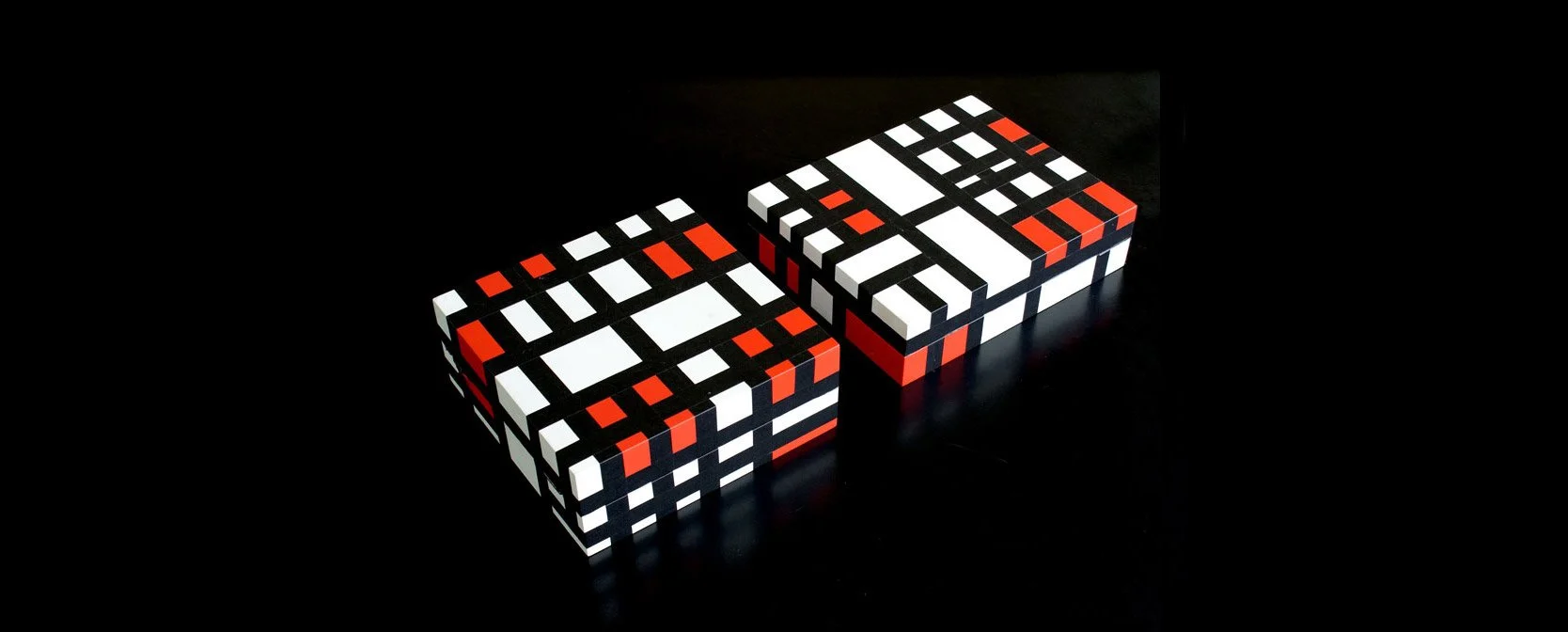
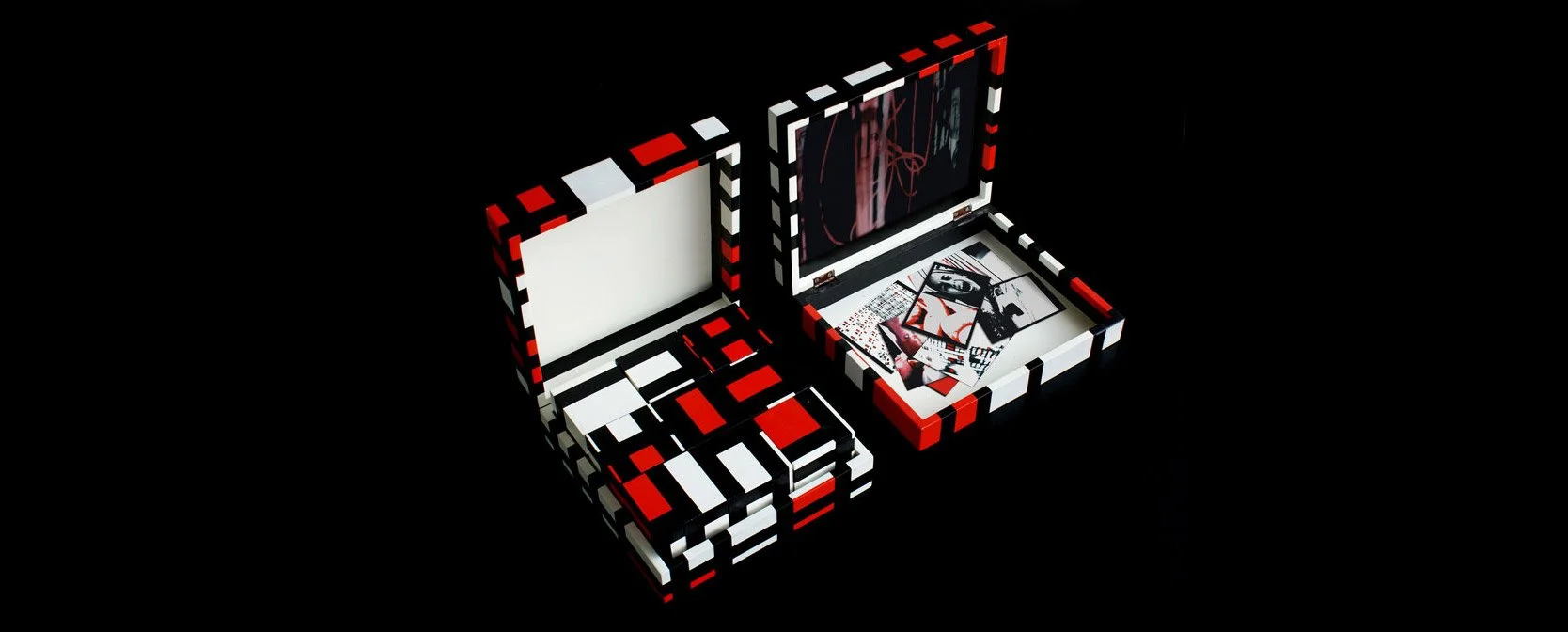
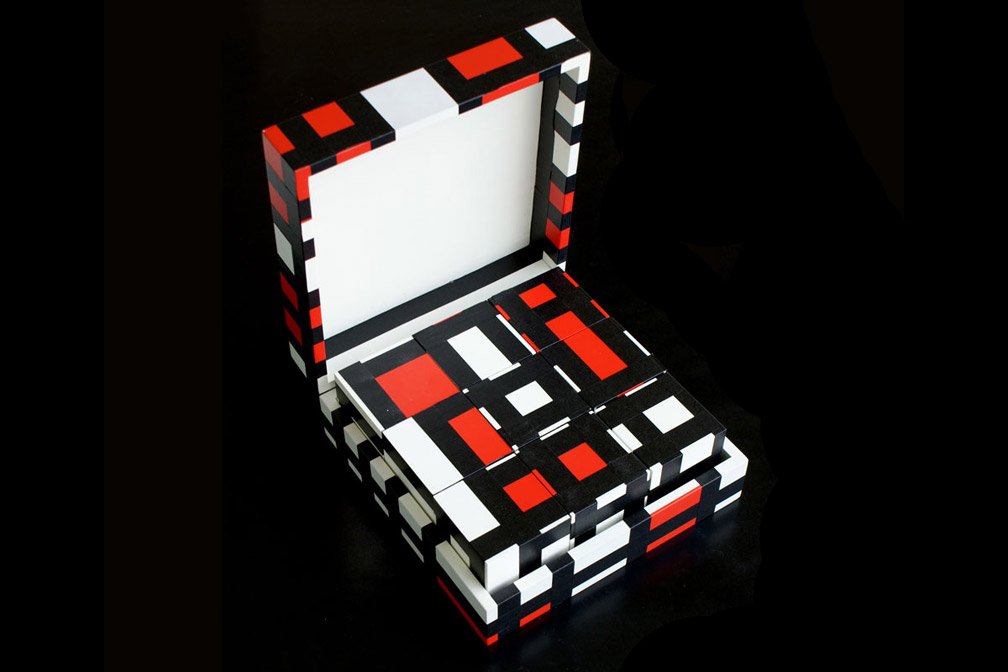
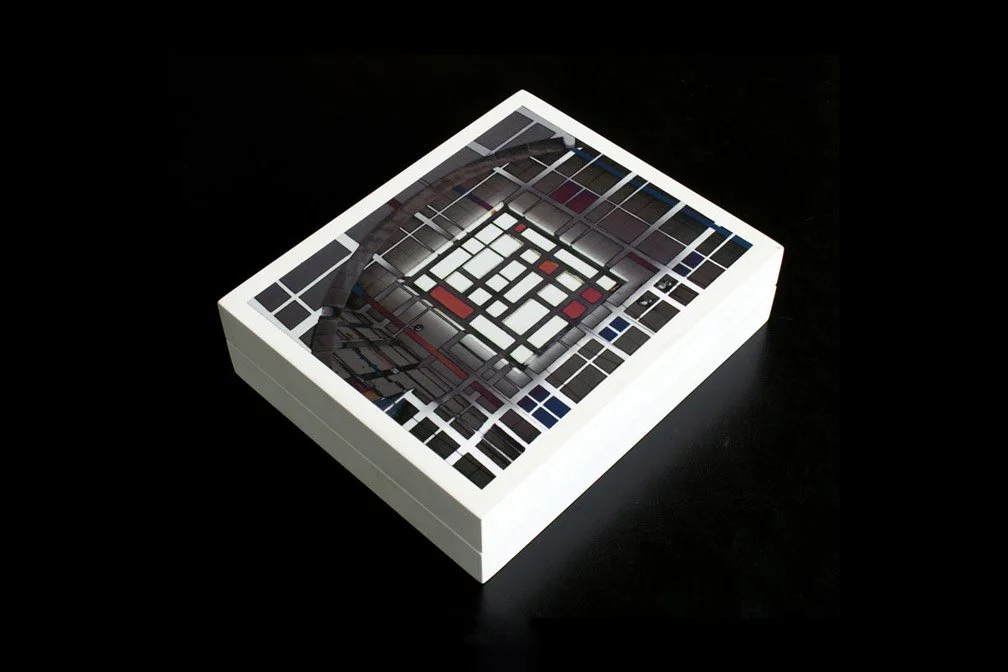
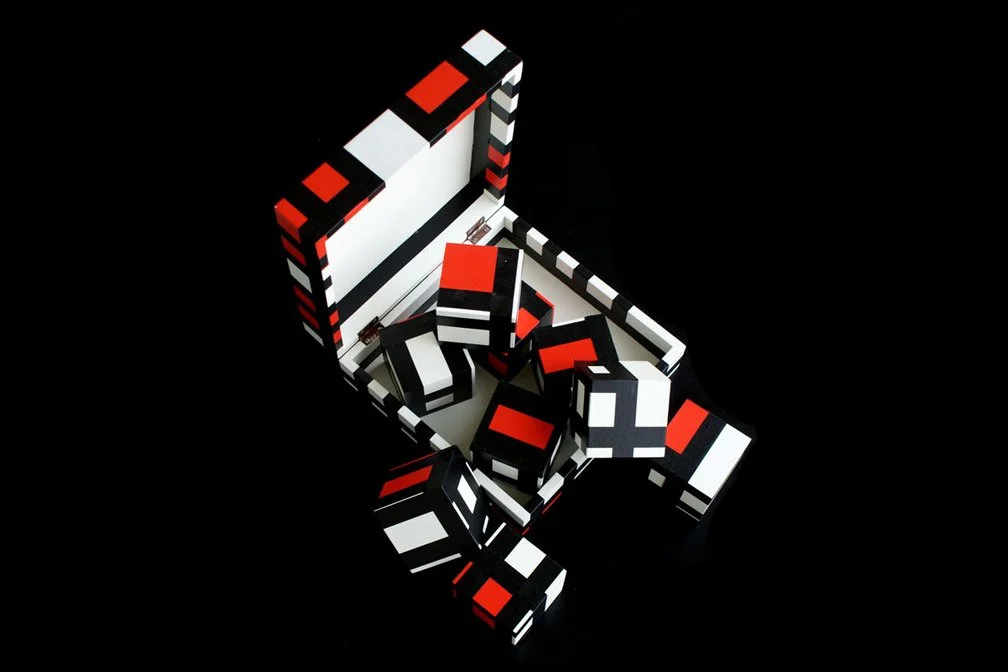
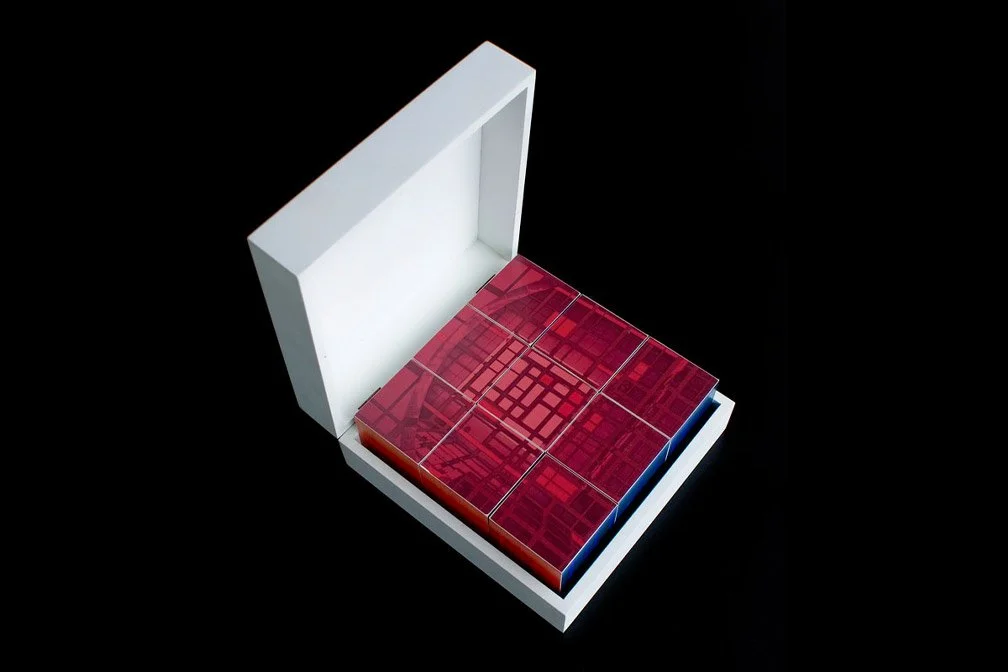
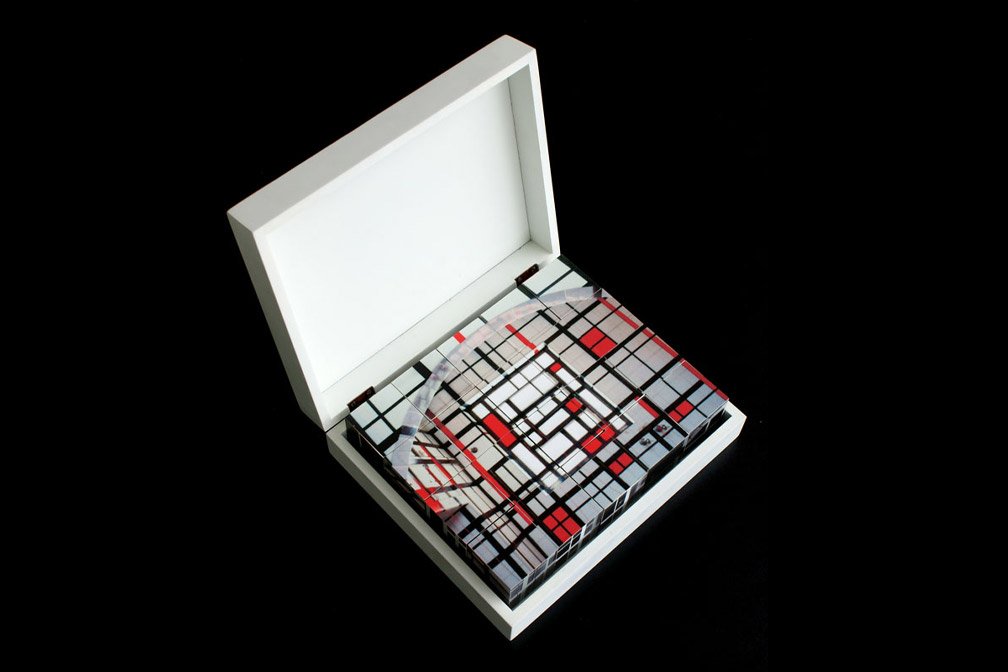
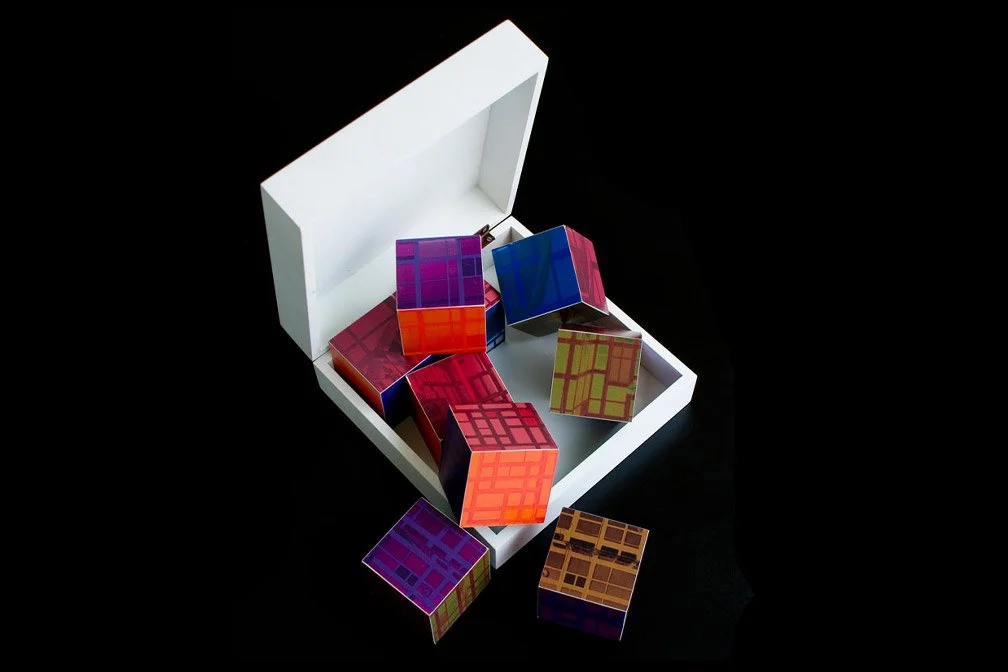
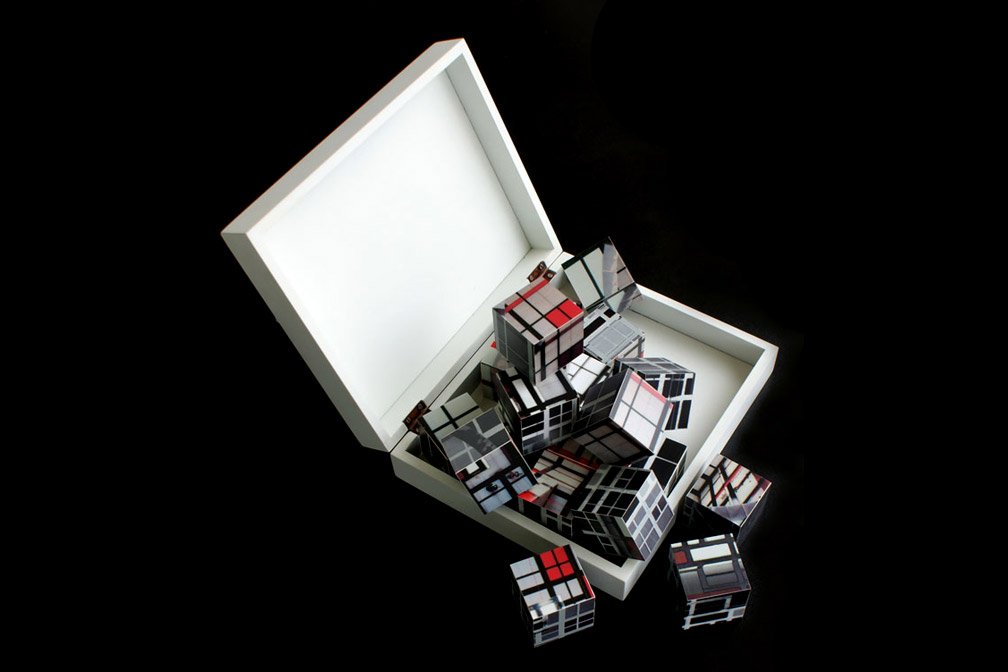
“Movimentos da Alma – 365 Dias” ecoa o “Livro do Tempo – 365 Dias”, de Lygia Pape. A obra tem origem em uma fotografia da minha instalação Barras, barragens, bandagens, realizada na cozinha revestida de azulejos brancos de uma casa abandonada na Avenida Rebouças, que cobri com fitas adesivas pretas e vermelhas formando um padrão quadriculado.
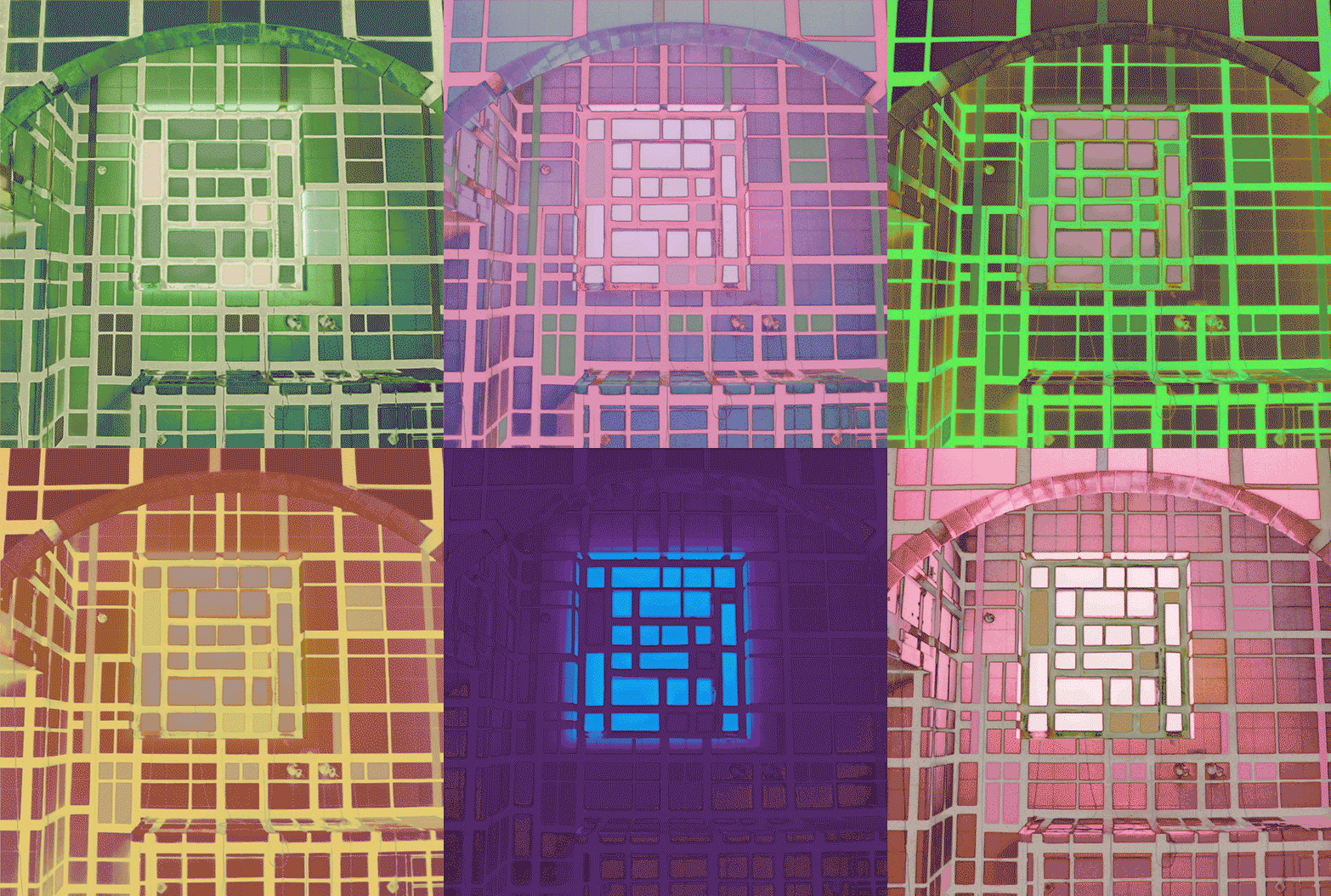
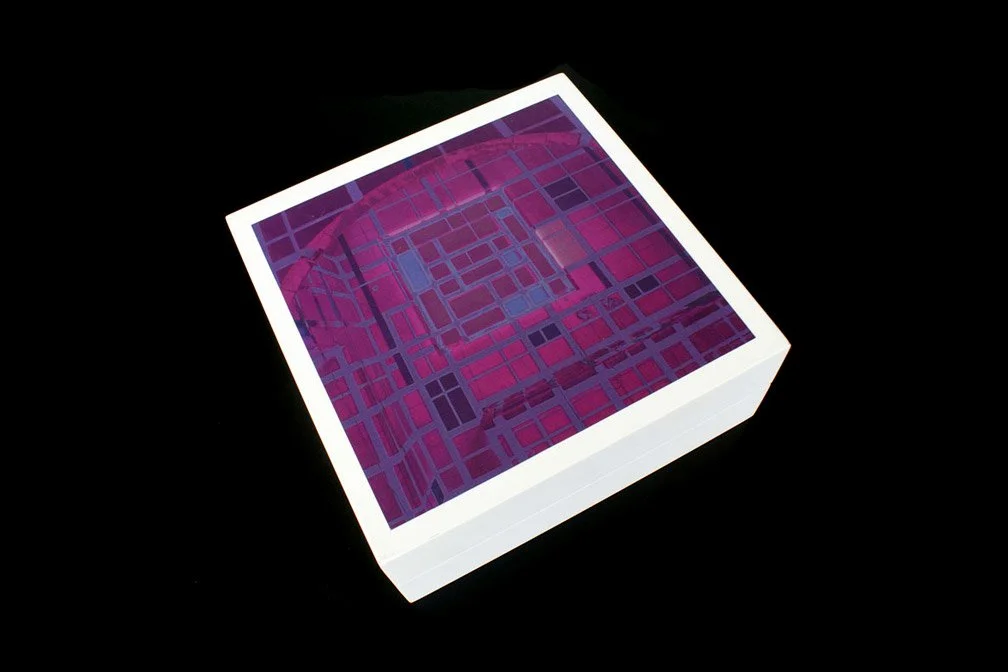
Na imagem, vê-se uma das paredes da cozinha, com uma janela central, enquadrada por um arco que sugere um vitral de igreja. Um feixe de luz atravessa a janela, estabelecendo uma comunicação entre o interior e o exterior. A imagem, manipulada digitalmente no computador, registra a passagem dos dias em 365 imagens — uma sucessão de estados da alma.
A obra remete ao ensaio Grids, de Rosalind Krauss: “Há duas maneiras pelas quais a grade declara a modernidade da arte moderna. Uma é espacial; a outra, temporal. No sentido espacial, a grade afirma a autonomia do campo da arte... A grade declara o espaço da arte como autônomo e autotélico. Mondrian e Malevich não estão discutindo tela ou pigmento ou grafite ou qualquer forma de matéria; estão falando de SER, de MENTE, de ESPÍRITO. De seu ponto de vista, a grade é uma escada para o UNIVERSAL, e não lhes interessa o que acontece no concreto.”¹
O vídeo assemelha-se a um sonho que se transforma a cada dia — para citar o artigo do jornalista Marcelo Coelho (publicado na Folha de S.Paulo sobre O Princípio Esperança, de Ernst Bloch): “Os seres humanos não sonham apenas à noite. Os dias também têm suas fronteiras crepusculares, onde os sonhos podem se realizar.”²
E é sobre sonhos que o vídeo trata: as imagens deslizam em camadas, uma após a outra, simulando uma profundidade virtual. A espessura da imagem nesse entrelaçamento visual também produz a impressão de profundidade — uma espécie, digamos, de profundidade superficial, fundada na estratificação das camadas. Cabe ao olhar agregá-las e sintetizá-las em uma só imagem. Uma tarefa à qual já estamos acostumados: diante da simultaneidade de imagens e janelas em nossa vida cotidiana, nosso olhar treinado apreende o geral, enquanto salta o particular.
¹ KRAUSS, Rosalind. L’originalité de l’avant-garde et autres mythes modernistes. Paris: Macula, 1993, p. 94–95.
² COELHO, Marcelo. “O Princípio Esperança e as utopias à moda da casa.” Folha de S.Paulo, Ilustrada, 7 de setembro de 2005, caderno E10.
Movements of the Soul – 365 Days
“Movements of the Soul – 365 Days” echoes Lygia Pape’s “Book of Time – 365 Days", grounding its concept in the exploration of temporality and transformation. The piece originates from a photograph of my installation Barras, barragens, bandagens, set in the white-tiled kitchen of an abandoned house on Avenida Rebouças, where I covered the walls with black and red adhesive tapes forming a grid. This grid not only shapes space visually but also conceptually introduces the passage of time through its structure.
The image shows one of the kitchen walls with a central window framed by an arch that recalls a church stained-glass opening. A beam of light passes through the window, establishing a dialogue between the interior and exterior. Digitally manipulated, the image records the passage of time across 365 frames — a succession of states of the soul.
The work resonates with Rosalind Krauss’s seminal essay Grids: “There are two ways in which the grid states the modernity of modern art. One is spatial; the other is temporal. Spatially, the grid asserts the autonomy of the art realm… The grid declares the space of art to be autonomous and autotelic. Mondrian and Malevich are not discussing canvas or pigment or graphite or any other form of matter; they are speaking of BEING, of MIND, of SPIRIT. From their point of view, the grid is a staircase to the UNIVERSAL, and what happens in the concrete does not interest them.”¹
The video unfolds like a dream, transforming day after day — to borrow from journalist Marcelo Coelho’s reflection in Folha de S.Paulo on Ernst Bloch’s The Principle of Hope: “Human beings do not dream only at night. Days, too, have their twilight borders where dreams may come true.”²
And it is indeed about dreams: the images overlap in sequences, each layer visible above the previous one, giving a sense of visual depth. This depth comes from the way the layers interlace and build upon each other, forming a stratified surface. The viewer’s gaze is invited to collect and unite these visual layers into a single image, much like we synthesize overlapping images and windows in our daily lives.
¹ KRAUSS, Rosalind. The Originality of the Avant-Garde and Other Modernist Myths. Paris: Macula, 1993, pp. 94–95.
² COELHO, Marcelo. “O Princípio Esperança and Homemade Utopias.” Folha de S.Paulo, Ilustrada, September 7, 2005, section E10.
Movimentos da Alma
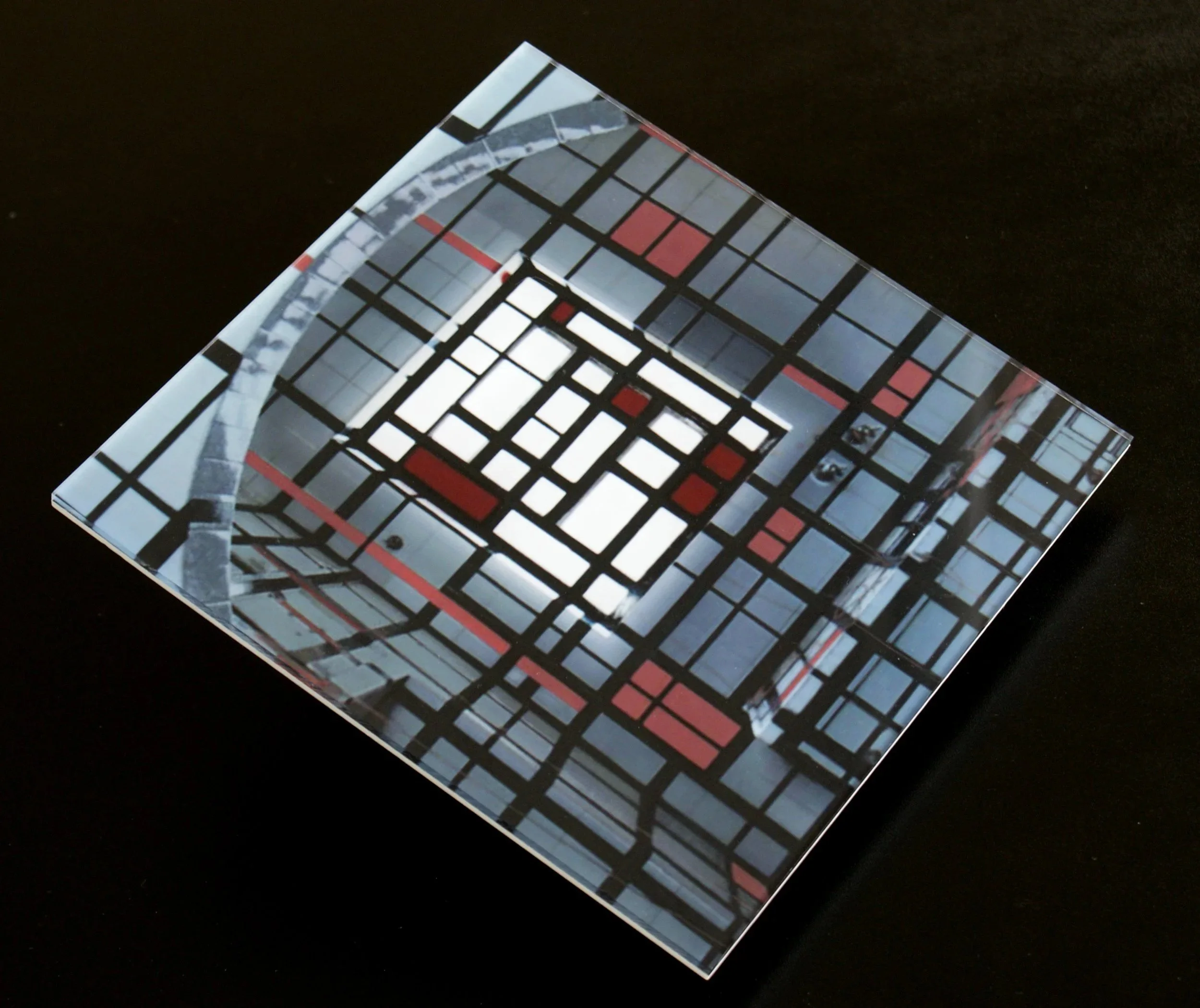
Caixas-Puzzles